Open vs. Enclosed Car Transport: Which Is Right for You?

When arranging auto transport for your vehicle, the most fundamental decision you will make is selecting between open and enclosed carrier transport. Each method provides distinct benefits depending on the value of your automobile, your delivery timeline, and your overall relocation budget.
Understanding how each trailer functions helps you avoid paying unnecessary premiums for daily commuter cars while ensuring high-value collector vehicles receive maximum in-transit protection.
What Is Open Auto Transport?
Open auto transport is the backbone of the American freight and vehicle logistics industry, accounting for approximately 90% to 95% of all vehicles transported nationwide.
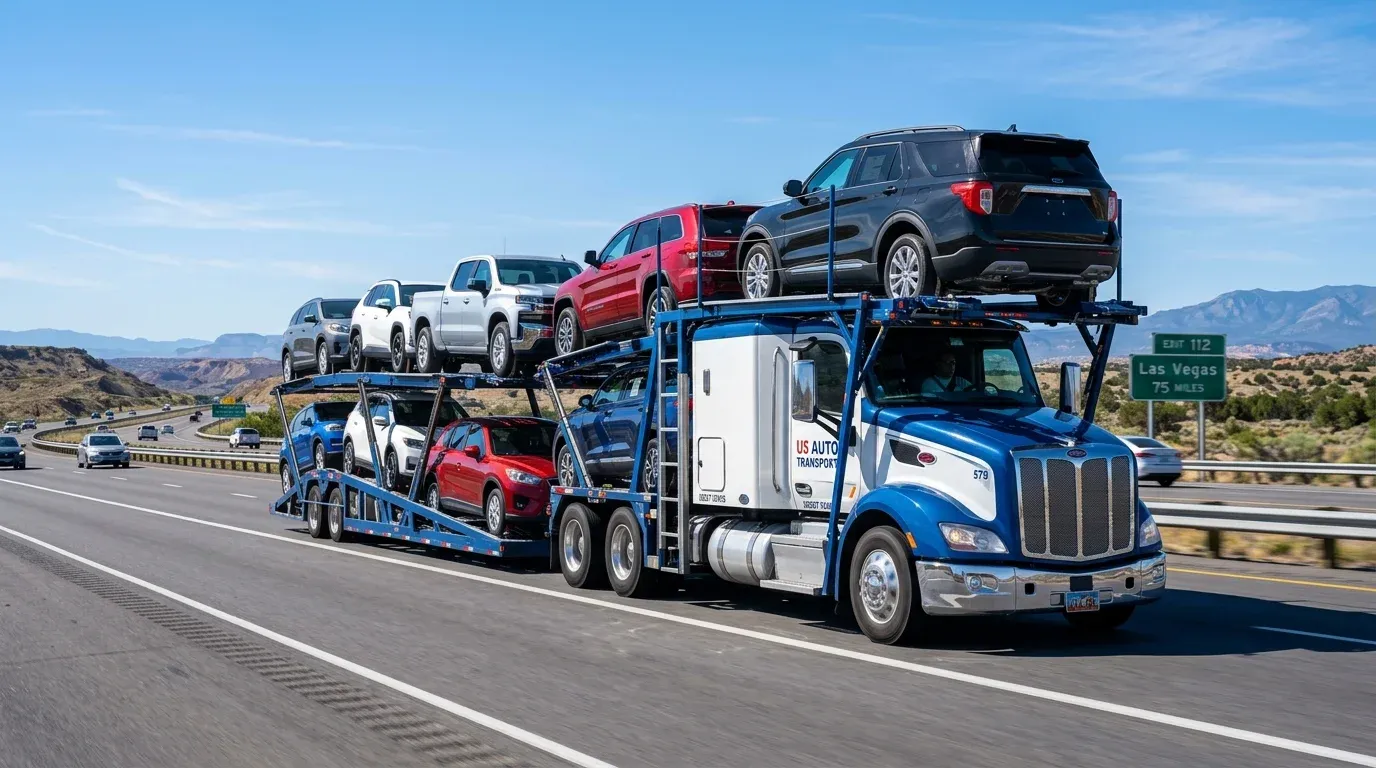
Vehicles travel on an open-air, two-tier steel trailer capable of carrying between 7 and 10 vehicles simultaneously. These are the familiar double-decker haulers frequently seen on interstate highways delivering new vehicles from automotive manufacturing plants to local dealerships.
Advantages of Open Transport
- Most Affordable Option: Carrying multiple vehicles on a single rig distributes fuel and labor costs, resulting in the lowest per-mile shipping prices.
- Fast Carrier Assignment: Because tens of thousands of open carriers operate daily across every major U.S. freight lane, brokers can typically assign a carrier within 24 to 72 hours.
- Flexible Route Scheduling: Open haulers provide broad coverage across both major metropolitan areas and smaller regional hubs.
Drawbacks of Open Transport
- Exposure to the Elements: Vehicles are exposed to highway dust, road gravel, rain, snow, and sunlight during transit.
- Surface Dirt upon Arrival: Your car will inevitably arrive with highway grime and will require a car wash upon delivery.
What Is Enclosed Auto Transport?
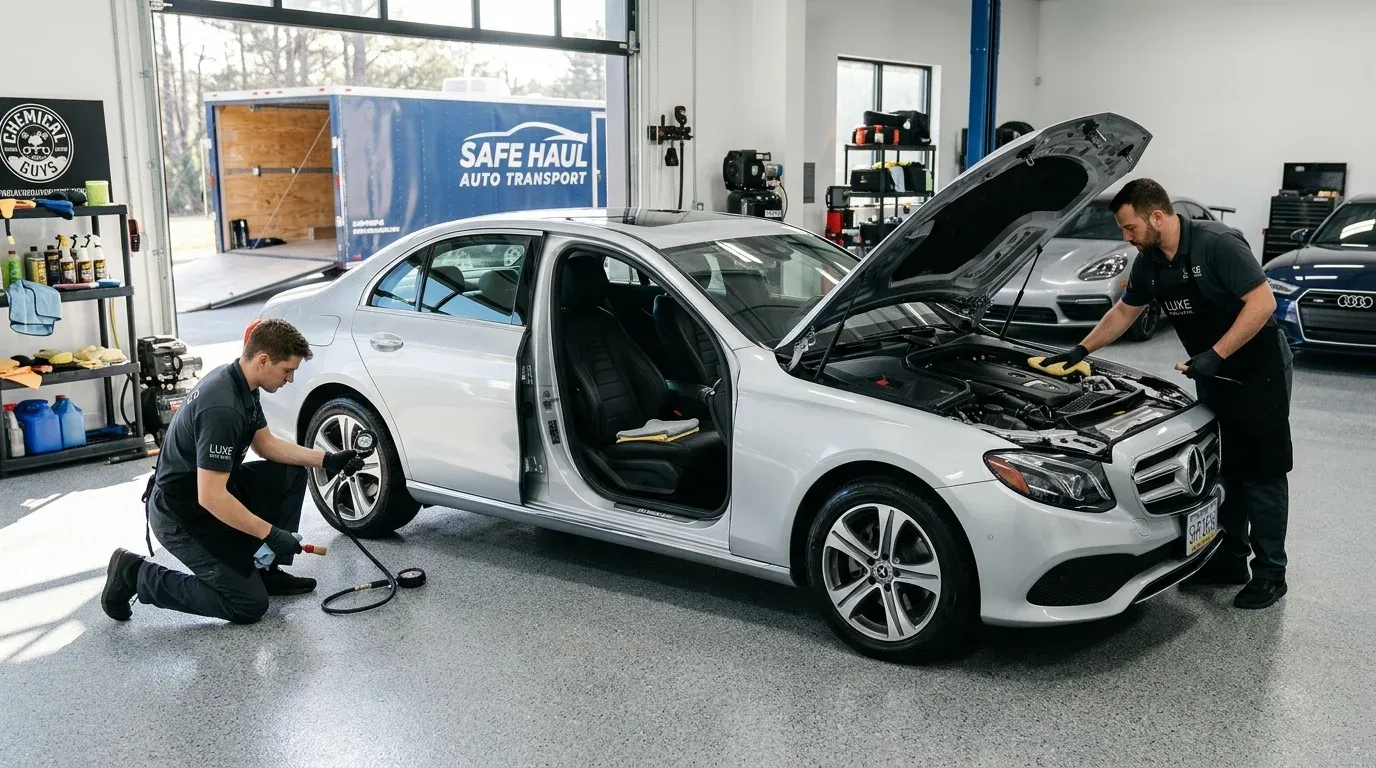
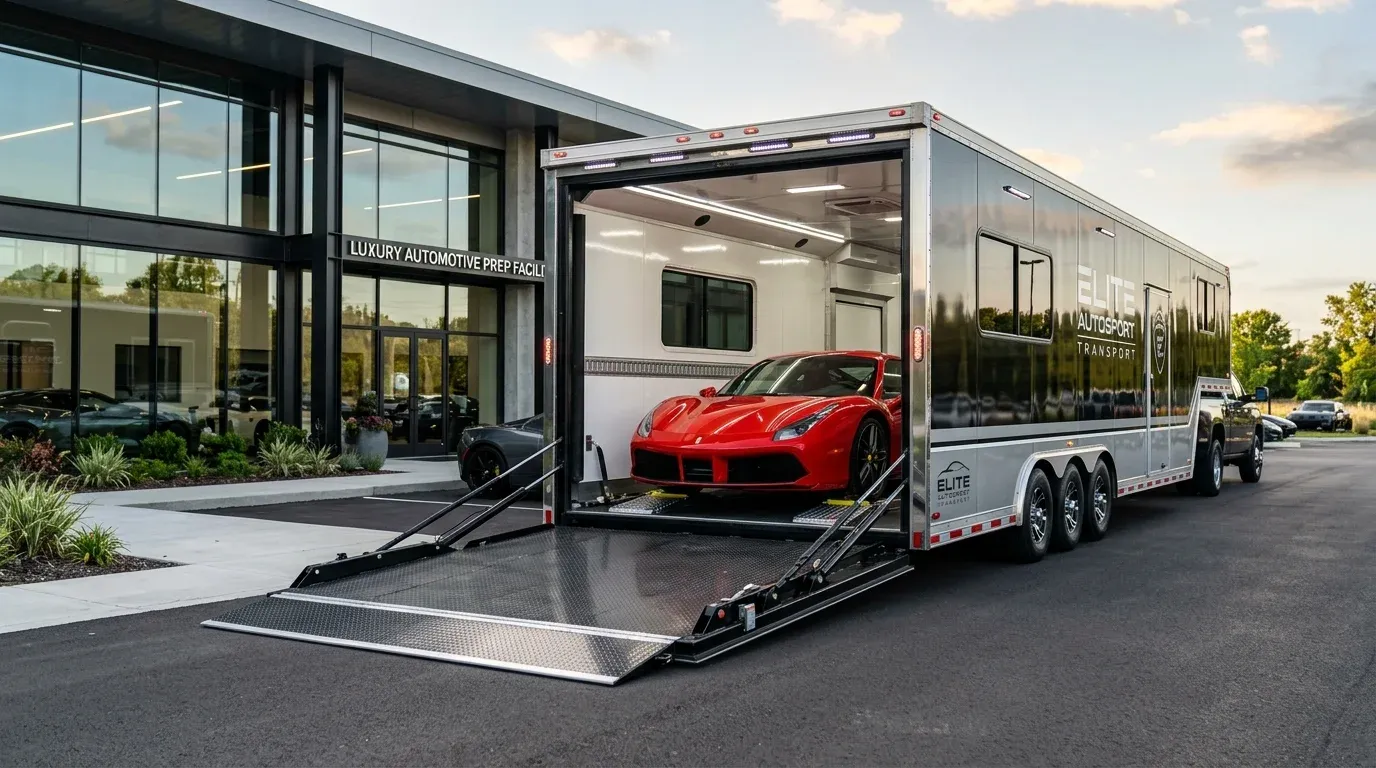
Enclosed auto transport utilizes specialized trailers with fully enclosed side walls, a rigid roof, and climate-controlled or dust-sealed interiors. These haulers typically transport between 2 and 6 vehicles at a time.
Enclosed trailers frequently feature hydraulic lift gates rather than standard steep metal ramps. This allows vehicles with ultra-low ground clearance (such as Ferrari, Porsche, or Lamborghini models) to remain completely horizontal throughout the loading and unloading sequence without scraping the chassis or front splitters.
Advantages of Enclosed Transport
- Complete Physical Protection: Cars are 100% shielded from flying rocks, hail, inclement weather, and road debris.
- Specialized Equipment: Features soft nylon tie-downs rather than metal frame chains, preventing suspension stress and wheel finish abrasions.
- Enhanced Privacy & Security: High-value exotics and prototype concept cars remain hidden from public view during stops.
- Higher Insurance Coverage Limits: Cargo insurance policies on enclosed haulers typically range from $500,000 to $1,000,000+, compared to $100,000 to $250,000 for standard open carriers.
Drawbacks of Enclosed Transport
- Premium Pricing: Enclosed transport costs 30% to 50% more than open carrier shipping for identical routes.
- Longer Dispatch Times: With fewer enclosed carriers available in national dispatch networks, securing carrier assignment may take 5 to 10 days.
Side-by-Side Comparison
| Feature | Open Auto Transport | Enclosed Auto Transport |
|---|---|---|
| Market Availability | Very High (90%+ of carriers) | Limited (5% - 10% of carriers) |
| Cost Comparison | Baseline (Standard Rate) | 30% - 50% Price Premium |
| Weather & Debris Protection | Open to environmental elements | 100% Complete barrier protection |
| Ramp Style | Metal drive-on incline ramps | Hydraulic horizontal lift gates |
| Standard Cargo Insurance | $100,000 - $250,000 | $500,000 - $1,000,000+ |
| Best For | Daily drivers, family sedans, trucks | Classics, exotics, luxury, antiques |
The Verdict: Which Method Should You Book?
Choose Open Carrier If:
- You are shipping a standard daily driver, commuter sedan, SUV, or work pickup truck.
- The market value of the vehicle is under $75,000.
- Minimizing total shipping costs is your top priority.
- You need your vehicle picked up on short notice.
Choose Enclosed Carrier If:
- Your automobile is a classic, antique, custom hot rod, or vintage collectible.
- You are shipping a high-end luxury sedan or exotic sports car valued at $100,000 or more.
- The vehicle features custom paintwork or very low ground clearance.
- You are shipping during harsh winter blizzard conditions through northern pass corridors.