
How Much Does It Cost to Ship a Car in 2026?

Shipping a vehicle across the country or between neighboring states is one of the most practical solutions when relocating, buying a vehicle online, or attending seasonal residences. However, estimating the exact cost to ship a car can often feel confusing because quotes vary significantly between auto transport companies.
In 2026, the average cost to ship a passenger vehicle ranges from $600 to $1,800, depending primarily on the total route distance, vehicle specifications, transport method, and the current price of diesel fuel.
Average Cost per Mile Breakdown
Auto transport pricing follows an inverse scale: while shorter routes carry a higher cost per mile due to carrier loading overhead and terminal logistics, longer cross-country routes offer significantly lower per-mile rates.
| Distance Bracket | Estimated Cost Range | Average Rate Per Mile | Typical Delivery Window |
|---|---|---|---|
| Under 500 Miles (Local / Regional) | $550 - $950 | $1.20 - $1.96 | 1 - 3 Days |
| 500 - 1,500 Miles (Mid-Distance) | $800 - $1,350 | $0.80 - $1.15 | 3 - 5 Days |
| 1,500 - 2,500+ Miles (Cross-Country) | $1,200 - $1,850+ | $0.58 - $0.78 | 6 - 9 Days |
Note: The figures above reflect standard open carrier transport for operable mid-size sedans under normal weather conditions.
5 Main Factors That Influence Your Shipping Rate
Auto transport brokers calculate shipping rates using market demand algorithms on central dispatch boards. Several specific variables dictate whether your quote sits at the lower or higher end of the spectrum.
1. Distance and Pickup / Delivery Locations
Distance is the baseline cost driver, but geographic accessibility is equally critical. Transporting a car along popular interstate corridors (such as New York to Miami or Los Angeles to Dallas) is generally cheaper per mile than shipping to or from remote rural communities where carriers must detour off main freight highways.
2. Vehicle Dimensions and Curb Weight
Carriers operate under strict federal gross vehicle weight ratings (GVWR) enforced by the Department of Transportation. A compact sedan like a Honda Civic weighs around 2,900 lbs, whereas a full-size pickup truck or three-row electric SUV can exceed 6,000 lbs and take up additional vertical clearance on the trailer. Heavy and oversized vehicles naturally require higher carrier compensation.
3. Open vs. Enclosed Transport
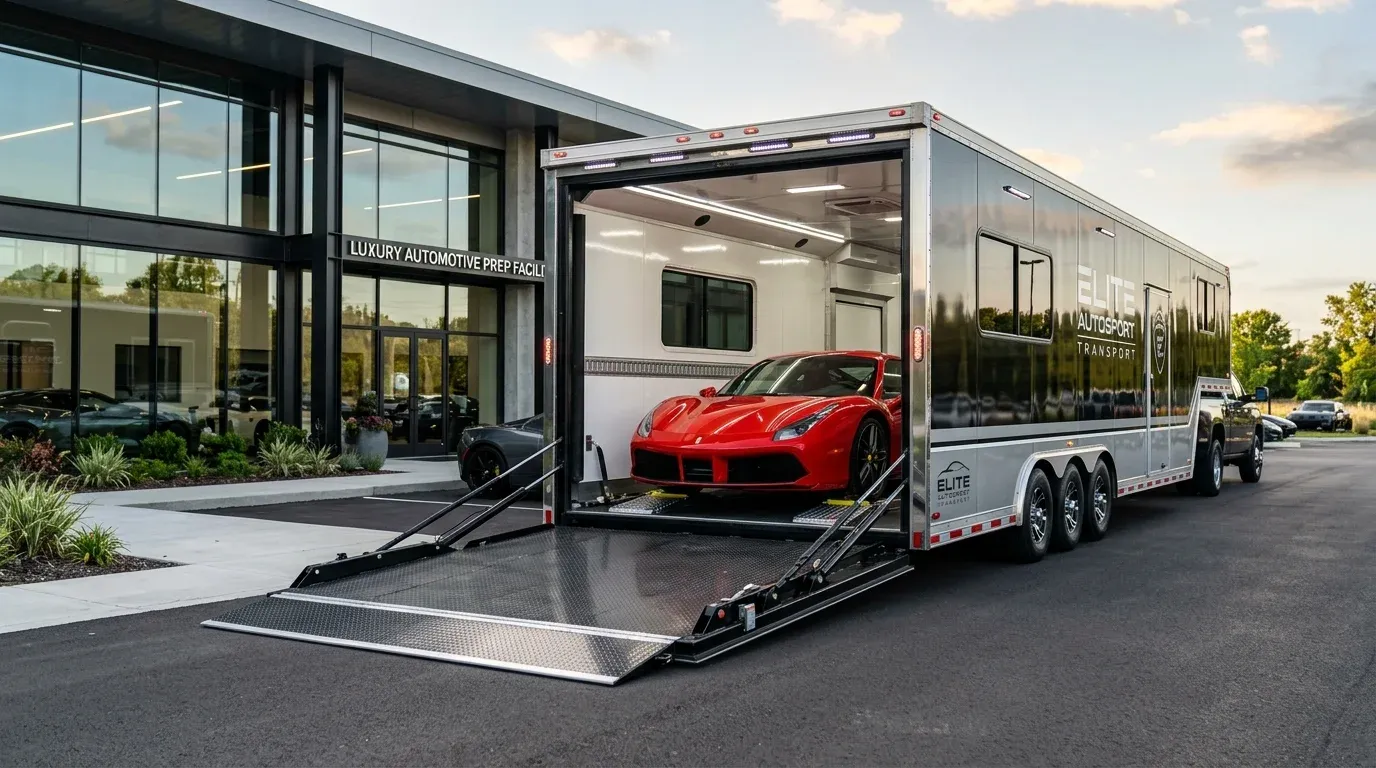
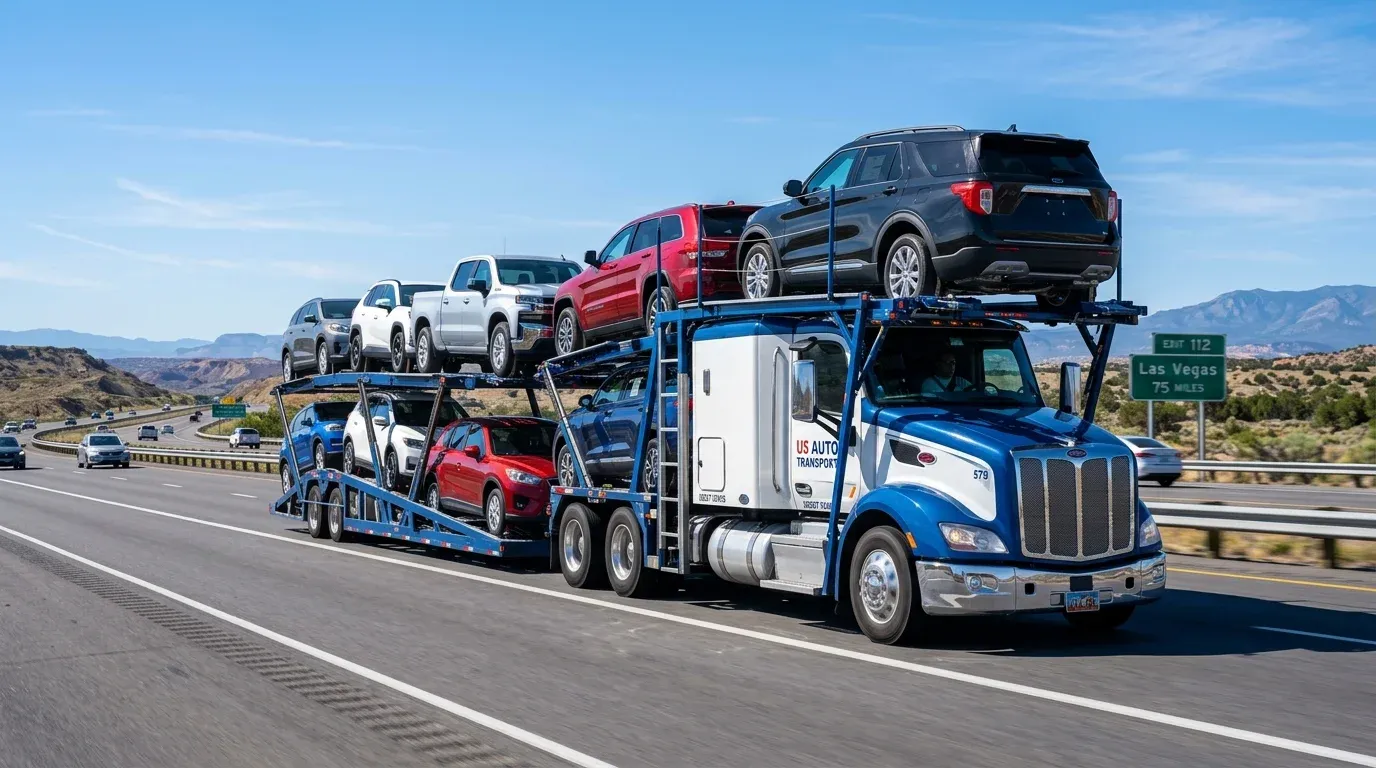
Over 90% of passenger vehicles travel on standard two-tier open trailers. If you require an enclosed carrier to protect a luxury, exotic, or classic automobile from weather and road debris, anticipate paying a 30% to 50% premium over open carrier rates.
4. Vehicle Condition: Operable vs. Inoperable
An operable vehicle can be driven onto the trailer ramps under its own power. If your car does not start, steer, or brake, the carrier must utilize specialized winches, snatch blocks, or lift gates to load and unload the vehicle safely. Inoperable vehicle handling typically adds $150 to $250 to your total transport invoice.
5. Seasonal Demand and the Snowbird Surge
Seasonal demand shifts create noticeable price fluctuations:
- Summer Peak (June - August): High relocation activity drives carrier rates upward across all major interstate corridors.
- Snowbird Migration (October - November & March - April): Heavy traffic between Northeastern/Midwestern states and Florida or Arizona causes steep rate imbalances in directional routes.
- Winter Weather Delays (January - February): Severe snowstorms can restrict pass travel through mountain corridors, leading to temporary price bumps.
How to Save Money on Car Shipping
If you want to secure the best possible rate without sacrificing reliability or cargo safety, follow these tested strategies:
- Book 2 to 3 Weeks in Advance: Last-minute expedited dispatch orders carry premium rates. Giving brokers a flexible 3-day pickup window allows them to negotiate optimal placement on carrier routes.
- Choose Terminal-to-Terminal Delivery: If you live on a narrow street or in an urban core inaccessible to an 80-foot commercial car hauler, meeting the driver at a designated highway staging area or freight terminal can save you substantial delivery surcharges.
- Ask for Specialty Discounts: Established brokers like AmeriFreight and Montway offer discounts for active military personnel, first responders, healthcare workers, students, and seniors.
- Ship Multiple Vehicles Together: If your household is moving two or more vehicles, carriers frequently offer multi-car discounts for loading them simultaneously on the same trailer.